

Hey there, fellow gearheads! As a clutch supplier, I've seen my fair share of clutches, from those in cars to the ones in motorcycles. And let me tell you, there are some pretty significant differences between the two. In this blog post, I'm gonna break down how a motorcycle clutch differs from a car clutch.
1. Size and Design
First off, size matters! Motorcycle clutches are generally much smaller than car clutches. This is because motorcycles are smaller vehicles, and they don't need as much power transfer as cars. A motorcycle engine typically has a lower torque output compared to a car engine, so the clutch can be more compact.
The design of motorcycle clutches is also more streamlined. They often use a multi - plate clutch design. These multi - plate clutches consist of several thin friction plates and steel plates stacked together. This design allows for a high amount of friction in a small space, which is perfect for the limited room in a motorcycle.
On the other hand, car clutches are usually single - plate or dual - plate designs. A single - plate clutch has one large friction plate that engages with the flywheel. Dual - plate clutches, as the name suggests, have two friction plates. These larger plates are needed to handle the higher torque and power of a car engine.
2. Engagement and Disengagement
The way you engage and disengage the clutch is different too. In a motorcycle, you use a hand lever on the left handlebar to operate the clutch. This gives the rider direct control over the clutch, and it's a very tactile experience. You can feel the clutch engaging and disengaging as you pull and release the lever. It takes some practice to get the timing right, especially when starting from a stop or shifting gears.
In a car, you use your left foot to operate the clutch pedal. The pedal is connected to the clutch mechanism through a hydraulic or mechanical linkage. The movement of the pedal is more of a linear motion, and it's generally easier to modulate compared to a motorcycle clutch lever. However, because it's a foot - operated system, it doesn't offer the same level of immediate feedback as a motorcycle clutch lever.
3. Cooling
Cooling is another area where motorcycle and car clutches differ. Motorcycle clutches generate a lot of heat, especially during aggressive riding or when you're constantly shifting gears. To deal with this heat, many motorcycle clutches are designed to be cooled by oil. The oil circulates around the clutch plates, absorbing the heat and carrying it away. This helps to prevent the clutch from overheating and wearing out quickly.
Car clutches also generate heat, but they usually rely on air cooling. The clutch is exposed to the airflow under the car, which helps to dissipate the heat. Some high - performance cars may have additional cooling systems, like oil - cooled clutches, but this is less common than in motorcycles.
4. Maintenance
Maintenance requirements are distinct for both types of clutches. Motorcycle clutches are generally easier to access and maintain. Since they're smaller and more compact, you can often remove and replace the clutch plates without having to take apart a large portion of the engine. This means that DIY maintenance is more feasible for motorcycle owners. You can find plenty of online tutorials that show you how to change the clutch plates on your motorcycle.
Car clutches, on the other hand, are more difficult to access. You usually have to remove the transmission to get to the clutch. This is a complex and time - consuming job that often requires specialized tools and knowledge. As a result, most car owners take their cars to a professional mechanic for clutch maintenance and replacement.
5. Cost
Cost is a practical consideration when it comes to clutches. Motorcycle clutches are generally less expensive than car clutches. The smaller size and simpler design mean that they use fewer materials, which reduces the cost of production. Also, since they're more accessible for maintenance, you can save money on labor costs if you do the work yourself.
Car clutches, especially those for high - end or performance vehicles, can be quite expensive. The larger size, more complex design, and the cost of labor for replacement all contribute to the higher price tag.
6. Torque Capacity
Torque capacity is a crucial factor in clutch performance. As mentioned earlier, car engines typically have a higher torque output than motorcycle engines. So, car clutches need to be able to handle this higher torque. They are designed with larger friction surfaces and stronger materials to ensure that they can transfer the power from the engine to the transmission without slipping.
Motorcycle clutches, with their smaller size and lower torque requirements, have a lower torque capacity. But for the power output of a motorcycle engine, they are more than sufficient. If you were to try to use a motorcycle clutch in a car, it would quickly fail because it couldn't handle the high torque.
7. Wear and Tear
The wear and tear on motorcycle and car clutches are affected by different factors. In a motorcycle, aggressive riding, such as rapid acceleration and hard braking, can cause the clutch to wear out faster. The constant engagement and disengagement of the clutch during high - speed riding also contribute to wear.
In a car, stop - and - go traffic is a major culprit for clutch wear. Every time you start from a stop, you're using the clutch to engage the gears. In heavy traffic, this happens over and over again, putting a lot of stress on the clutch. Also, riding the clutch (keeping the clutch partially engaged) is a common mistake that can lead to premature wear in both motorcycles and cars, but it's perhaps more prevalent in cars due to the nature of traffic conditions.
8. Compatibility with Transmission
The compatibility with the transmission is another difference. Motorcycle transmissions are usually sequential gearboxes. This means that you shift gears in a sequential order, like 1 - 2 - 3 - 4 - 5 - 6 (or in some cases, reverse). The clutch needs to be designed to work smoothly with this type of gearbox. The engagement and disengagement of the clutch need to be timed precisely to ensure smooth gear shifts.

Car transmissions can be either manual or automatic. Manual car transmissions can be either sequential or synchromesh. Synchromesh transmissions are more common in cars, and they use synchronizers to match the speed of the gears before engaging them. The clutch in a car with a synchromesh transmission needs to work in harmony with these synchronizers to provide a smooth driving experience.
Conclusion
So, there you have it! These are the main ways that a motorcycle clutch differs from a car clutch. Whether you're a motorcycle enthusiast or a car lover, understanding these differences can help you take better care of your vehicle's clutch.
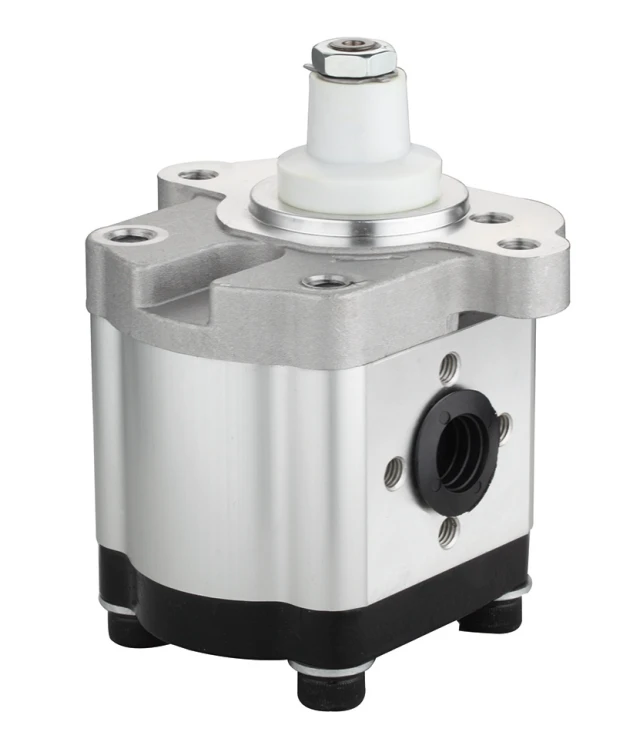
If you're in the market for a new clutch, whether it's for a motorcycle or a car, we've got you covered. We're a clutch supplier with a wide range of high - quality clutches to suit different needs. And if you're also in the market for tractor parts, check out our great selection. We have products like the Hydraulic Gear Pump 7228132 72277154 for Tractor in Stock, the Steering Pump Hydraulic Gear Pump 3533911m91 3538958m91 for Tractor, and the Hydraulic Pump for Tractor Auto Parts 81871528 F0nn600bb 83938860 82983657.
If you have any questions about our clutches or tractor parts, or if you want to discuss a potential purchase, don't hesitate to get in touch. We're here to help you find the right parts for your vehicle.
References
- "Motorcycle Clutch Systems: A Comprehensive Guide" - Motorcycle Mechanics Magazine
- "Automotive Clutch Technology" - Car Engineering Journal
- Personal experience as a clutch supplier