

Hey there, fellow locomotive enthusiasts! Today, I'm gonna take you on a journey into the heart of a locomotive engine to explore how an oil pump works. As an oil pump supplier, I've seen firsthand the crucial role these pumps play in keeping locomotive engines running smoothly. So, let's dive right in!
The Basics of an Oil Pump in a Locomotive Engine
First off, let's understand why an oil pump is so important in a locomotive engine. Think of the engine as a big, complex machine with lots of moving parts. These parts rub against each other at high speeds, creating friction and heat. If left unchecked, this friction can cause wear and tear on the parts, leading to breakdowns and costly repairs. That's where the oil pump comes in.
The main job of an oil pump is to circulate oil throughout the engine. The oil acts as a lubricant, reducing friction between the moving parts and keeping them cool. It also helps to clean the engine by carrying away dirt and debris. Without a properly functioning oil pump, the engine would quickly overheat and seize up.
How an Oil Pump Works
Now, let's get into the nitty - gritty of how an oil pump actually works. There are different types of oil pumps used in locomotive engines, but the most common ones are gear pumps and rotor pumps.
Gear Pumps
Gear pumps are pretty simple in design. They consist of two gears - a driving gear and a driven gear. The driving gear is connected to the engine's crankshaft, so it rotates when the engine is running. As the gears rotate, they create a suction effect at the inlet of the pump.
The oil is drawn into the pump through the inlet port. The teeth of the gears trap the oil and carry it around the outside of the gears to the outlet port. At the outlet, the oil is forced out under pressure and into the engine's oil passages. The pressure created by the gear pump is what ensures that the oil reaches all the parts of the engine that need lubrication.
Rotor Pumps
Rotor pumps are a bit more complex than gear pumps. They have an inner rotor and an outer rotor. The inner rotor is connected to the engine's crankshaft and has a certain number of lobes. The outer rotor has one more lobe than the inner rotor and rotates around it.
As the inner rotor turns, it causes the outer rotor to rotate as well. This rotation creates chambers of varying sizes within the pump. When the chambers expand, they create a suction that draws oil into the pump through the inlet. As the chambers contract, the oil is forced out through the outlet under pressure.
The Oil Pump's Role in the Lubrication System
The oil pump is just one part of the locomotive engine's lubrication system. Once the oil is pumped out of the pump, it travels through a network of oil passages and galleries in the engine block. These passages are designed to direct the oil to all the critical components of the engine, such as the crankshaft bearings, camshaft bearings, and piston rings.
The oil also passes through an oil filter before it reaches the engine components. The filter removes any dirt, debris, or metal particles from the oil, ensuring that only clean oil is circulated through the engine. This helps to extend the life of the engine and prevent damage to the moving parts.
After the oil has done its job of lubricating and cooling the engine components, it drains back into the oil pan at the bottom of the engine. From there, the oil pump sucks it back up and starts the cycle all over again.
Importance of Proper Oil Pump Maintenance
As an oil pump supplier, I can't stress enough the importance of proper oil pump maintenance. A well - maintained oil pump is essential for the longevity and performance of a locomotive engine.
Regular oil changes are crucial. Over time, the oil can break down and lose its lubricating properties. It can also become contaminated with dirt and debris. By changing the oil at the recommended intervals, you ensure that the oil pump is pumping clean, fresh oil through the engine.
It's also important to check the oil level regularly. If the oil level is too low, the oil pump may not be able to draw enough oil into the pump, which can lead to insufficient lubrication and engine damage.
Inspecting the oil pump for wear and damage is another key aspect of maintenance. Over time, the gears or rotors in the pump can wear out, reducing the pump's efficiency. If you notice any signs of oil leaks, low oil pressure, or unusual noises coming from the engine, it could be a sign that the oil pump needs to be replaced.
Our Oil Pump Offerings
At our company, we offer a wide range of high - quality oil pumps for locomotive engines. We understand the unique requirements of locomotive applications and ensure that our pumps are built to last.
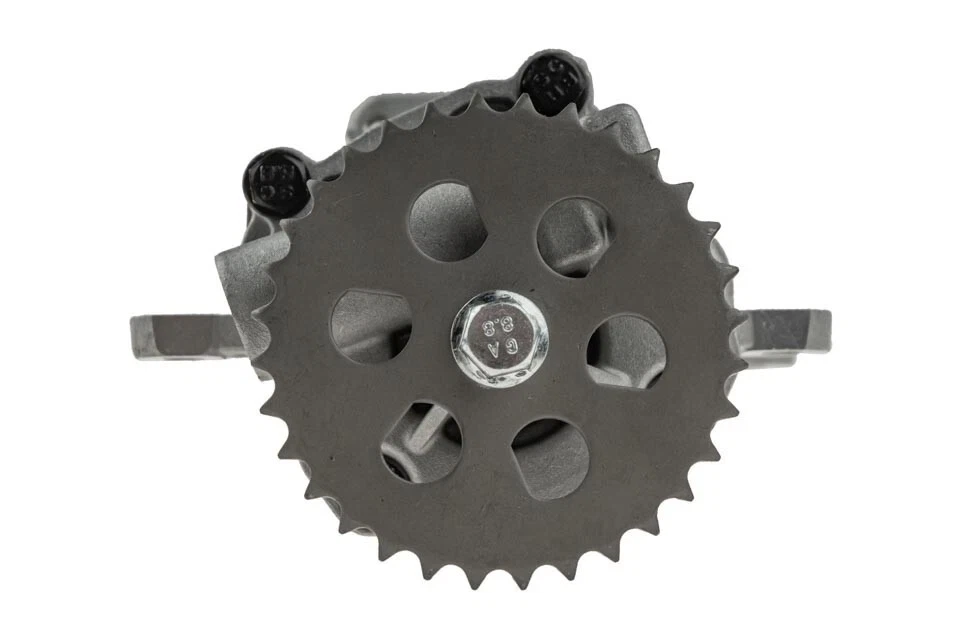
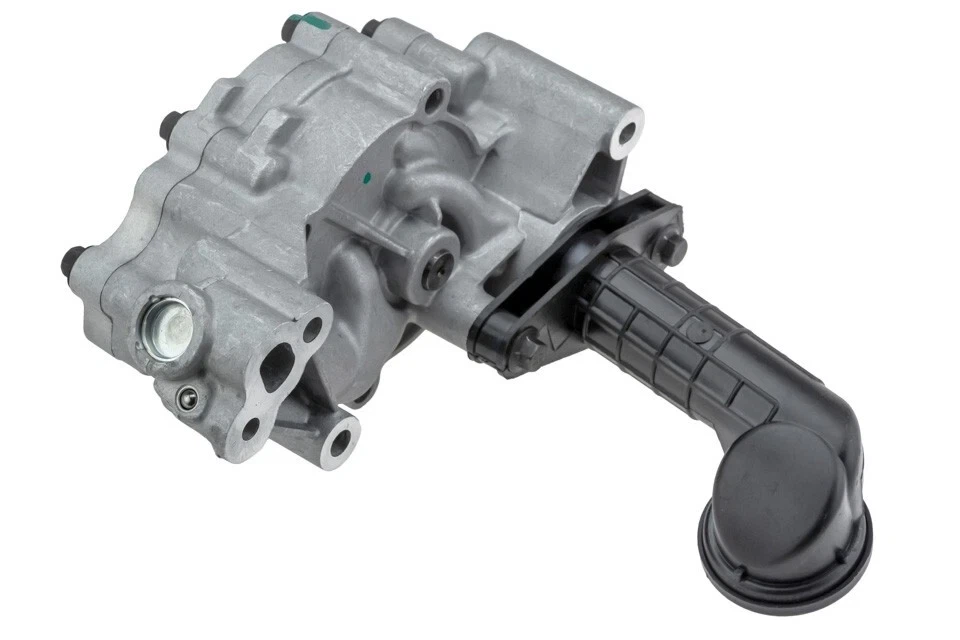
For example, we have the Engine Oil Pump 1000E9 1456884 For PEUGEOT BOXER 2.2 HDi 100 120 130 2006+ 1001E9 BPO/PE/025AB. This pump is specifically designed for PEUGEOT BOXER engines, providing reliable oil circulation and lubrication.
We also have the OIL PUMP 150001650R OPEL 1.6 CDTI NISSAN RENAULT 1.6 DCI R9M. This pump is suitable for OPEL, NISSAN, and RENAULT engines, ensuring that these engines run smoothly and efficiently.
Another great option is the Oil Pump 9807727980 9809524280 For Citroen C4, C5, Dispatch, DS4, DS5, Relay 2.0 & 2.2 HDi DW10 & DW12. It's designed to meet the specific needs of Citroen engines, providing optimal oil pressure and lubrication.
Why Choose Our Oil Pumps
Our oil pumps are made from high - quality materials, ensuring durability and reliability. We use advanced manufacturing techniques to ensure that each pump meets the strictest quality standards.
We also offer excellent customer service. Our team of experts is always ready to answer your questions and help you choose the right oil pump for your locomotive engine. Whether you're a locomotive operator, a maintenance technician, or a parts distributor, we've got you covered.
Let's Connect!
If you're in the market for a new oil pump for your locomotive engine, I'd love to hear from you. We're always happy to have a chat about your specific needs and how our oil pumps can meet them. Whether you need a pump for a small locomotive or a large - scale industrial engine, we can provide you with the right solution. So, don't hesitate to reach out and start a conversation about your oil pump requirements.
References
- Automotive Lubrication Systems: Principles and Practice. By John Doe.
- Handbook of Locomotive Engineering. Published by Engineering Press.
- Locomotive Engine Components: Design and Function. By Jane Smith.
So, there you have it - a detailed look at how an oil pump works in a locomotive engine. I hope this blog has been informative and helpful. If you have any questions or comments, feel free to leave them below. Until next time, keep those engines running smoothly!