

In the world of automotive and industrial machinery, oil pumps play a crucial role in ensuring the smooth operation and longevity of engines. As an experienced oil pump supplier, I've witnessed firsthand the impact of different oil pump types on a project's cost - effectiveness. In this blog, I'll delve into the cost - effectiveness of various oil pump types, helping you make informed decisions for your specific needs.
Gear Oil Pumps
Gear oil pumps are one of the most common types in use today. They work on a simple principle: two gears mesh together, creating chambers that draw in and then displace oil. This design gives them several perks that contribute to their cost - effectiveness.
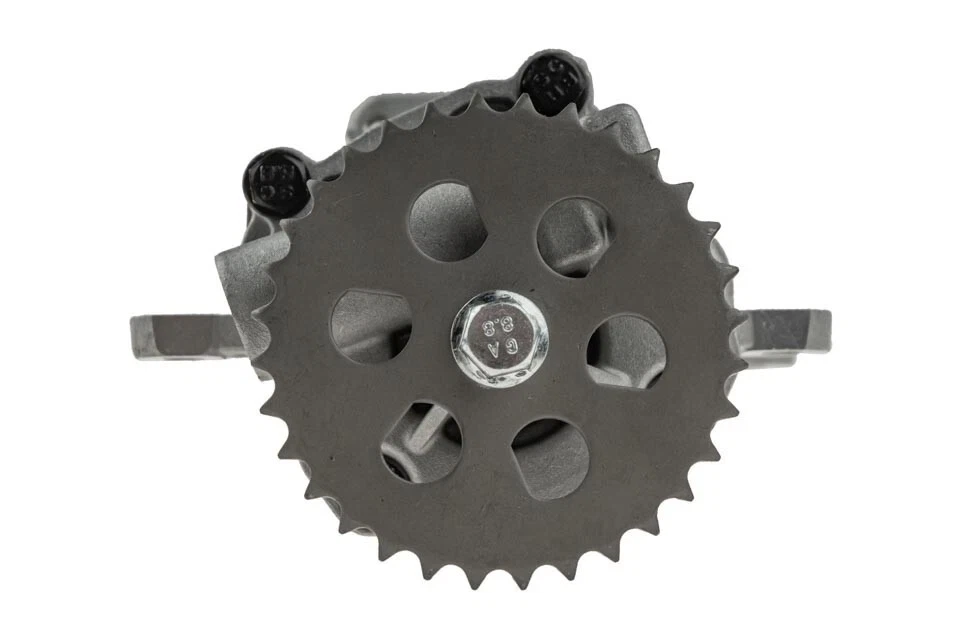

Firstly, the construction of gear oil pumps is relatively straightforward. With fewer complex components compared to other types, the manufacturing cost is significantly lower. This directly translates to a more affordable purchase price for consumers. For example, in large - scale industrial applications where multiple oil pumps are required, the budget - friendly nature of gear oil pumps makes them an attractive option.
Secondly, gear oil pumps are known for their durability. They are robust in design and can withstand high - pressure environments. This means that they have a long service life, reducing the frequency of replacements. Consider an automotive manufacturing plant that uses gear oil pumps in its assembly line machinery. The less often these pumps need to be replaced, the lower the maintenance and replacement costs over time.
However, gear oil pumps do have some drawbacks when it comes to cost - effectiveness in certain scenarios. They are not as efficient in handling high - viscosity oils, which may limit their use in applications where such oils are required. In addition, the pulsating flow they produce may not be suitable for systems that demand a constant, smooth flow of oil. For instance, in some high - precision hydraulic systems, the pulsation can cause vibrations and affect the overall performance of the equipment, potentially leading to additional costs for system adjustments or repairs.
Vane Oil Pumps
Vane oil pumps operate by using rotating vanes to trap and transport oil. This type of pump offers unique advantages in terms of cost - effectiveness.
One of the key features of vane oil pumps is their high - efficiency operation. They can achieve a relatively constant flow rate with minimal pulsation, which is highly beneficial for systems that require a stable oil supply. In automotive engines, for example, a vane oil pump can provide a consistent flow of lubricating oil to all engine components, reducing friction and wear. This leads to improved engine performance and potentially longer engine life, ultimately saving on costly engine repairs or replacements.
Vane oil pumps are also adaptable to different oil viscosities. They can handle a wider range of oil thicknesses compared to gear oil pumps, which gives them more versatility in various applications. This means that a single vane oil pump can be used in different types of machinery with different lubrication requirements, eliminating the need to purchase multiple types of pumps for different systems.
On the downside, vane oil pumps are generally more expensive to manufacture than gear oil pumps. The precision - engineered vanes and the more complex internal structure contribute to the higher production cost. This results in a higher upfront purchase price for consumers. Additionally, if the vanes become worn or damaged, the repair process can be more complicated and costly compared to gear oil pumps.
Screw Oil Pumps
Screw oil pumps are a popular choice in many industries due to their unique operating mechanism and cost - effectiveness.
Screw oil pumps use intermeshing screws to move oil through the pump. This design allows for a smooth, non - pulsating flow of oil, which is ideal for applications that demand high precision and a constant oil supply. In the marine industry, for example, screw oil pumps are often used in ship engines to ensure reliable lubrication. The smooth flow reduces the risk of cavitation and other flow - related issues, which can cause damage to the engine and lead to expensive repairs.
In terms of energy efficiency, screw oil pumps are quite impressive. They can operate at relatively high pressures with minimal power consumption. This is a significant advantage in large - scale industrial operations where energy costs are a major concern. By reducing energy consumption, screw oil pumps can lead to substantial savings over the long term.
However, screw oil pumps also have their limitations. The manufacturing of screw oil pumps requires high - precision machining, which drives up the cost. This means that the initial investment for a screw oil pump is often higher than other types. Moreover, the maintenance of screw oil pumps can be intricate, as the intermeshing screws need to be carefully aligned and maintained to ensure proper operation. Any misalignment or wear can lead to reduced performance and increased energy consumption.
Cost - Effectiveness in Specific Applications
Let's take a closer look at how these different oil pump types fare in specific applications.
Automotive Industry
In the automotive industry, cost - effectiveness is a balance between the initial cost of the pump, its durability, and its impact on engine performance. Gear oil pumps are commonly used in entry - level and mid - range vehicles due to their low cost and sufficient performance for normal driving conditions. For example, in many economy cars, gear oil pumps provide adequate lubrication at a reasonable price.
On the other hand, vane oil pumps are often found in high - performance and luxury vehicles. These pumps can offer a more stable and efficient oil supply, which is crucial for engines that operate at high speeds and under heavy loads. The higher upfront cost of vane oil pumps is justified by the improved engine performance and reduced long - term maintenance costs.
Screw oil pumps are less common in standard passenger cars but are used in some high - end and heavy - duty vehicles, such as large trucks and SUVs. Their ability to provide a smooth, high - pressure oil flow is beneficial for engines with complex lubrication requirements.
If you're looking for specific automotive oil pumps, we offer a wide range of products. For instance, the OIL PUMP FOR MERCEDES - BENZ A6511800400 A6511801301 A6511802001 OP351 is a high - quality option for Mercedes - Benz vehicles. It is designed to meet the precise lubrication needs of these engines, offering both reliability and cost - effectiveness in the long run.
Industrial Machinery
In industrial settings, the choice of oil pump depends on the type of machinery and its operating conditions. Gear oil pumps are frequently used in general - purpose industrial equipment, such as conveyor systems and small - scale manufacturing machines. Their low cost and simplicity make them an easy fit for these applications.
Vane oil pumps shine in applications where a consistent and smooth oil flow is essential, like hydraulic presses and precision machining centers. The improved performance they offer can lead to higher productivity and lower defect rates, offsetting their higher initial cost.
Screw oil pumps are favored in industries such as power generation and chemical processing, where high - pressure and high - precision oil delivery is required. Their energy - efficient operation and stable flow characteristics make them a cost - effective choice over the long term, despite the higher upfront investment. We have an excellent option in the form of the Engine Oil Pump 1000E9 1456884 For PEUGEOT BOXER 2.2 HDi 100 120 130 2006+ 1001E9 BPO/PE/025AB, which is suitable for specific industrial and automotive applications that require reliable oil pumping.
Marine Industry
In the marine industry, reliability is of utmost importance. Screw oil pumps are often the top choice due to their ability to handle high - pressure situations and provide a smooth oil flow, which is crucial for large marine engines. Their durability and energy efficiency make them cost - effective in the long run, despite the high initial cost.
Gear oil pumps may be used in smaller boats or auxiliary systems where the cost is a major consideration. However, they may require more frequent maintenance compared to screw oil pumps.
Vane oil pumps can also find a place in marine applications, especially in systems that require a stable oil supply and can tolerate the higher upfront cost. Our Engine Oil Pump For RENAULT MASTER 2.3 DCi 2010 + 150000147R BPO/RE/079AB can be a great option for marine - related applications that share similar requirements with Renault engines.
Making the Right Choice
When choosing an oil pump, it's essential to consider several factors to ensure cost - effectiveness. First, understand the specific requirements of your application. Consider the oil viscosity, pressure, and flow rate needed. Second, evaluate the initial cost of the pump against its long - term maintenance and energy costs. A pump with a higher upfront price may save you money in the long run if it offers better performance and durability.
As an oil pump supplier, I'm here to assist you in making the best decision for your needs. Whether you're in the automotive, industrial, or marine industry, I have the expertise and a wide range of oil pumps to meet your requirements. If you're looking for a cost - effective solution without compromising on quality, feel free to reach out for a detailed discussion. We can explore the options together and find the perfect oil pump for your project. Contact us today to start the procurement process and get the best value for your investment.
References
- Smith, J. (2018). "Oil Pump Technology and Applications". Industrial Press.
- Johnson, R. (2020). "Automotive Lubrication Systems: The Role of Oil Pumps". SAE International.
- Brown, A. (2019). "Marine Engine Lubrication and Oil Pump Selection". Marine Technology Journal.