

A clutch is a vital component in a vehicle, especially in those with manual transmissions. As a clutch supplier, I've had the privilege of witnessing firsthand the crucial role that clutches play in the automotive world. In this blog, I'll delve into the functions of a clutch in a car, exploring its mechanics, importance, and how it impacts the overall driving experience.
The Basics of a Clutch
At its core, a clutch is a mechanical device that connects and disconnects the engine from the transmission. In a manual transmission car, the driver uses the clutch pedal to engage and disengage the clutch. When the clutch pedal is pressed, the clutch disengages, allowing the driver to shift gears without grinding. When the pedal is released, the clutch engages, transferring power from the engine to the transmission and ultimately to the wheels.
The clutch consists of several key components, including the clutch disc, pressure plate, flywheel, and release bearing. The clutch disc is a friction plate that sits between the flywheel and the pressure plate. When the clutch is engaged, the pressure plate presses the clutch disc against the flywheel, creating friction and transferring power. The release bearing, also known as the throw-out bearing, is used to disengage the clutch by pushing on the pressure plate when the clutch pedal is pressed.
Functions of a Clutch
1. Smooth Engagement and Disengagement
One of the primary functions of a clutch is to provide smooth engagement and disengagement between the engine and the transmission. When starting the car from a standstill, the clutch allows the engine to gradually transfer power to the wheels, preventing the car from jerking or stalling. Similarly, when shifting gears, the clutch disengages the engine from the transmission, allowing the driver to change gears smoothly.
2. Gear Shifting
In a manual transmission car, the clutch is essential for gear shifting. Without a clutch, it would be impossible to shift gears smoothly, as the engine and transmission would be constantly connected. When the driver presses the clutch pedal, the clutch disengages, allowing the driver to move the gear lever to a different gear. Once the gear is selected, the driver releases the clutch pedal, engaging the clutch and transferring power from the engine to the transmission.
3. Torque Transmission
The clutch also plays a crucial role in torque transmission. Torque is the rotational force produced by the engine, and it is what allows the car to move. The clutch transfers this torque from the engine to the transmission, which then sends it to the wheels. By controlling the engagement and disengagement of the clutch, the driver can regulate the amount of torque that is transferred to the wheels, allowing for smooth acceleration and deceleration.
4. Protecting the Transmission
Another important function of the clutch is to protect the transmission from damage. When the clutch is engaged, it allows the engine to transfer power to the transmission gradually, reducing the stress on the gears and other components. This helps to prevent premature wear and tear on the transmission, extending its lifespan. Additionally, the clutch can act as a safety mechanism, disengaging the engine from the transmission in the event of a sudden stop or other emergency, preventing damage to the transmission.

Impact on Driving Experience
The clutch has a significant impact on the driving experience. A well-functioning clutch provides smooth and precise gear shifts, allowing the driver to enjoy a more engaging and responsive driving experience. On the other hand, a worn or malfunctioning clutch can make driving difficult and frustrating, with rough gear shifts, slipping, and other issues.
In addition to its impact on gear shifting, the clutch also affects the overall performance of the car. A properly adjusted clutch can improve acceleration, fuel efficiency, and handling, while a faulty clutch can have the opposite effect. For example, a slipping clutch can cause the engine to rev higher than normal without a corresponding increase in speed, resulting in poor fuel economy and reduced performance.
Maintenance and Replacement
Like any other component in a car, the clutch requires regular maintenance to ensure optimal performance. This includes checking the clutch fluid level, inspecting the clutch disc and pressure plate for wear, and adjusting the clutch pedal free play. Over time, the clutch disc will wear down, and eventually, it will need to be replaced. Signs of a worn clutch include slipping, difficulty shifting gears, and a burning smell.
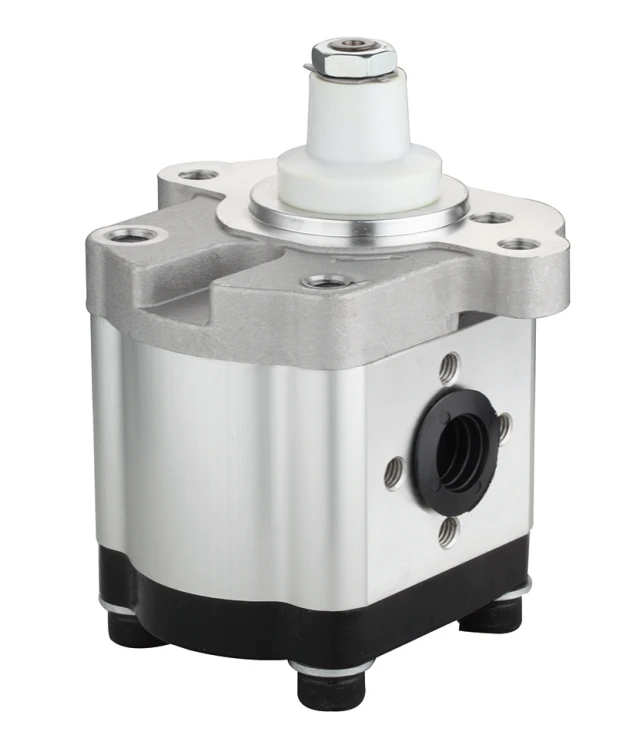
As a clutch supplier, I offer a wide range of high-quality clutches for various makes and models of cars. Whether you're looking for a replacement clutch for your daily driver or a performance clutch for your sports car, I have the expertise and products to meet your needs. In addition to clutches, I also offer related products such as Hydraulic Gear Pump for Tractor Utb 650 11ml/R Anti-Clockwise, Hydraulic Gear Pump Steering Pump for 3349116673 Parker Tractor Machine, and Steering Pump Hydraulic Gear Pump 3533911m91 3538958m91 for Tractor.
Conclusion
In conclusion, the clutch is a critical component in a car, especially in those with manual transmissions. Its functions include smooth engagement and disengagement, gear shifting, torque transmission, and protecting the transmission. A well-functioning clutch provides a smooth and engaging driving experience, while a worn or malfunctioning clutch can make driving difficult and frustrating. Regular maintenance and timely replacement of the clutch are essential to ensure optimal performance and longevity.
If you're in the market for a new clutch or have any questions about clutch maintenance and replacement, I encourage you to contact me. I'm here to help you find the right clutch for your car and provide you with the support and expertise you need to keep your vehicle running smoothly.
References
- Automotive Engineering Handbook, SAE International
- Fundamentals of Vehicle Dynamics, Thomas D. Gillespie