

As an experienced oil pump supplier, I've witnessed firsthand the critical role oil pumps play in various engines. One of the most important aspects of an oil pump is its pressure regulation mechanism. In this blog, I'll delve into what the pressure regulation mechanism of an oil pump is, how it works, and why it's so crucial for engine performance.
Understanding the Basics of an Oil Pump
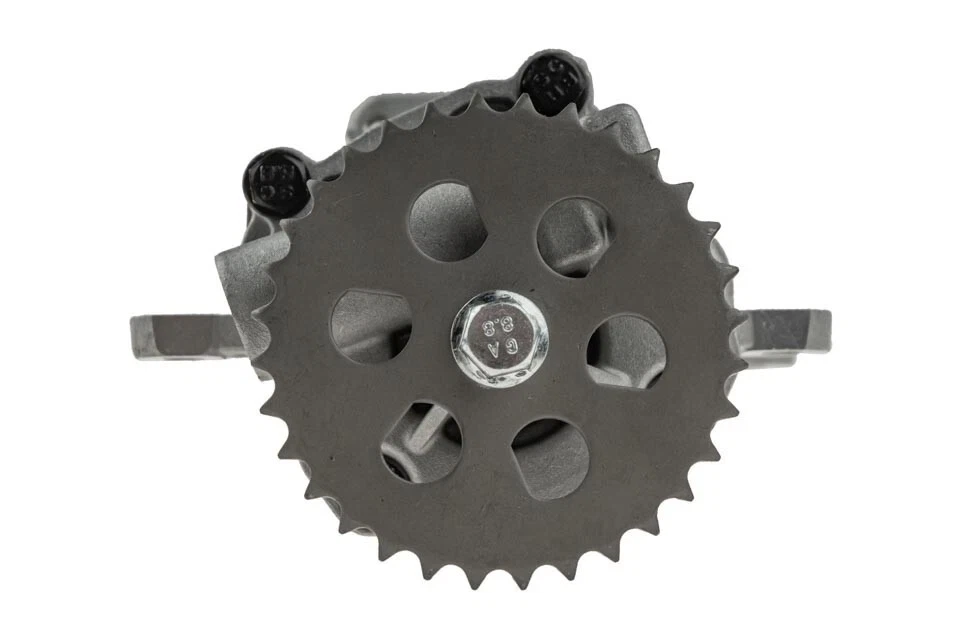
Before we dive into the pressure regulation mechanism, let's briefly understand what an oil pump does. An oil pump is a vital component in an engine's lubrication system. Its primary function is to circulate oil throughout the engine, ensuring that all moving parts are properly lubricated. This reduces friction, which in turn minimizes wear and tear on the engine components and helps maintain optimal engine performance.

The Need for Pressure Regulation
Oil needs to be delivered to different parts of the engine at the right pressure. If the oil pressure is too low, the engine components may not receive sufficient lubrication, leading to increased friction, overheating, and potentially severe damage. On the other hand, if the oil pressure is too high, it can cause leaks, damage seals, and put unnecessary stress on the engine. Therefore, a pressure regulation mechanism is essential to maintain a consistent and appropriate oil pressure within the engine.
Components of the Pressure Regulation Mechanism
The pressure regulation mechanism typically consists of a pressure relief valve and a spring. The pressure relief valve is a crucial part of this system. It's designed to open when the oil pressure exceeds a certain preset level. The spring, on the other hand, determines the opening pressure of the valve.
How the Pressure Regulation Mechanism Works
When the engine is running, the oil pump draws oil from the oil pan and pumps it through the engine's lubrication system. As the oil flows through the system, the pressure builds up. When the oil pressure reaches the preset level determined by the spring in the pressure relief valve, the valve opens. Once the valve is open, some of the oil is diverted back to the oil pan or to a low - pressure area of the pump. This reduces the overall oil pressure in the system, ensuring that it stays within the safe and optimal range.
As the oil pressure drops below the preset level, the spring in the pressure relief valve closes the valve. This stops the diversion of oil, and the oil pump continues to build up pressure in the lubrication system. This continuous cycle of opening and closing of the pressure relief valve helps maintain a stable oil pressure.
Types of Pressure Regulation Mechanisms
There are different types of pressure regulation mechanisms used in oil pumps. One common type is the mechanical pressure relief valve system, which we've just described. In this system, the valve's opening and closing are purely based on mechanical forces exerted by the oil pressure and the spring.
Another type is the electronically controlled pressure regulation system. In modern engines, electronic sensors are used to monitor the oil pressure. These sensors send signals to an engine control unit (ECU). The ECU then adjusts the pressure relief valve's operation based on the data received. This type of system allows for more precise control of the oil pressure, especially in engines with complex lubrication requirements.
Importance of a Well - Functioning Pressure Regulation Mechanism
A properly functioning pressure regulation mechanism is essential for the longevity and performance of an engine. By maintaining the correct oil pressure, it ensures that all engine components are adequately lubricated. This reduces the risk of premature wear and tear, which can lead to costly repairs or even engine failure.
Moreover, a stable oil pressure helps in maintaining consistent engine performance. It allows the engine to operate smoothly under different conditions, whether it's idling, accelerating, or running at high speeds.
Our Oil Pump Offerings
As an oil pump supplier, we offer a wide range of high - quality oil pumps with reliable pressure regulation mechanisms. For example, we have the Engine Oil Pump For RENAULT LOGAN 1.5 DCi 2006 + 150003395R BPO/RE/072AB. This oil pump is specifically designed for Renault Logan 1.5 DCi engines from 2006 onwards. It features a precise pressure regulation mechanism that ensures optimal oil pressure for these engines.
We also have the Engine Oil Pump 1000E9 1456884 For PEUGEOT BOXER 2.2 HDi 100 120 130 2006+ 1001E9 BPO/PE/025AB. This oil pump is engineered to meet the lubrication needs of Peugeot Boxer 2.2 HDi engines with different power outputs. Its pressure regulation mechanism is calibrated to provide the right amount of oil pressure for these engines.
In addition, our Engine Oil Pump For RENAULT MASTER 2.3 DCi 2010 + 150000147R BPO/RE/079AB is a great choice for Renault Master 2.3 DCi engines from 2010 onwards. It offers reliable performance with a well - designed pressure regulation system.
Contact Us for Your Oil Pump Needs
If you're in the market for a high - quality oil pump with an efficient pressure regulation mechanism, we'd love to hear from you. Whether you're an automotive repair shop, a vehicle manufacturer, or an individual looking for a replacement oil pump, we can provide you with the right product. Our team of experts is always ready to assist you in choosing the most suitable oil pump for your specific requirements. Contact us today to start a discussion about your oil pump needs and explore our product offerings.
References
- Heywood, J. B. (1988). Internal Combustion Engine Fundamentals. McGraw - Hill.
- Taylor, C. F. (1985). The Internal Combustion Engine in Theory and Practice. MIT Press.