

Hey there! As an oil cooler supplier, I've been getting a ton of questions lately about the effects of using an oil additive with an oil cooler. So, I thought I'd dive into this topic and share some insights with you all.
First off, let's talk about what an oil cooler does. An oil cooler is a device that helps regulate the temperature of your engine oil. Just like we humans need to stay at a comfortable temperature to function properly, your engine oil also needs to be within a certain temperature range. When your engine is running, it generates a lot of heat, and if the oil gets too hot, it can break down and lose its lubricating properties. That's where the oil cooler comes in. It cools down the oil by transferring heat to the surrounding air or coolant, ensuring that the oil stays in good condition and can do its job of lubricating the engine components effectively.
Now, let's introduce the concept of oil additives. Oil additives are substances that are added to the engine oil to enhance its performance. There are different types of oil additives, each with its own set of benefits. Some additives can improve the oil's viscosity, which means they can make the oil thicker or thinner depending on the temperature, so it can flow better and provide better lubrication. Others can help clean the engine by removing dirt and deposits, or they can prevent oxidation and corrosion, which can extend the life of the oil and the engine.
So, what happens when you use an oil additive with an oil cooler? Well, there are several effects, and they can be both positive and negative.
Positive Effects
1. Enhanced Lubrication
When you combine an oil additive with an oil cooler, you can get even better lubrication for your engine. The oil cooler keeps the oil at an optimal temperature, and the additive can improve the oil's viscosity and lubricating properties. This means that the engine components will experience less friction and wear, which can lead to a longer engine life. For example, if you're using an additive that contains anti - wear agents, these agents will form a protective layer on the engine parts, reducing the chances of metal - to - metal contact and damage.
2. Improved Heat Dissipation
Some oil additives can also help with heat dissipation. They can increase the thermal conductivity of the oil, which means that the oil can transfer heat more efficiently to the oil cooler. This results in better cooling of the engine oil and, consequently, the engine itself. In high - performance engines or engines that are under heavy loads, this can be a huge advantage. It can prevent the oil from overheating and breaking down, which could otherwise lead to engine failure.

3. Cleaner Engine
As mentioned earlier, some oil additives are designed to clean the engine. When used with an oil cooler, the additive can keep the oil clean for a longer time. The oil cooler ensures that the oil doesn't get too hot, which can slow down the formation of dirt and deposits. And the additive can actively remove any existing deposits and prevent new ones from forming. This can lead to a cleaner engine, better fuel efficiency, and reduced emissions.
4. Extended Oil Life
Using an oil additive with an oil cooler can also extend the life of your engine oil. The oil cooler helps maintain the oil's temperature, and the additive can prevent oxidation and degradation. Oxidation is a chemical process that occurs when the oil reacts with oxygen, and it can cause the oil to thicken and lose its lubricating properties. By using an additive that contains antioxidants and the oil cooler to keep the temperature in check, you can slow down this oxidation process and make the oil last longer. This means you won't have to change your oil as often, which can save you money in the long run.
Negative Effects
1. Compatibility Issues
Not all oil additives are compatible with all types of engine oils and oil coolers. Sometimes, using the wrong additive can cause problems. For example, some additives may react with the materials used in the oil cooler, such as the metal or rubber seals. This can lead to corrosion or damage to the oil cooler. Also, if the additive is not compatible with the oil, it may cause the oil to separate or form sludge, which can clog the oil cooler and reduce its efficiency.
2. Over - treatment
There's a saying that "too much of a good thing can be bad," and that applies to oil additives too. If you add too much of an additive to the oil, it can have negative effects. For example, if you use an additive that thickens the oil and you add too much of it, the oil may become too thick, especially at low temperatures. This can make it difficult for the oil to flow through the engine and the oil cooler, which can lead to poor lubrication and increased wear on the engine components.
3. Cost
Using an oil additive can add to the overall cost. Not only do you have to buy the additive, but you also need to make sure you're using the right one. And if you experience any compatibility issues or damage to the oil cooler, you'll have to spend more money on repairs or replacements. So, while the benefits of using an oil additive with an oil cooler can be significant, you need to weigh them against the cost.
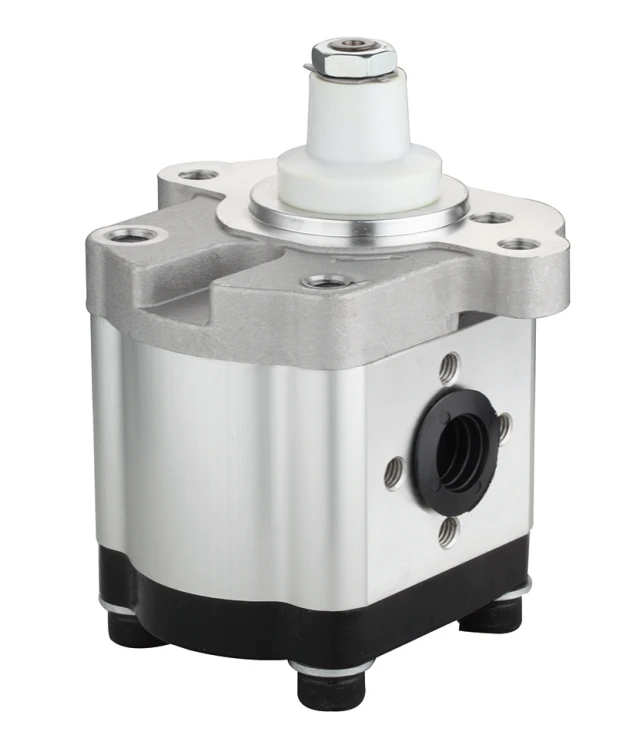
Now, I'd like to mention some related products. If you're in the market for tractor parts, we have some great options. Check out these Steering Pump Hydraulic Gear Pump 3533911m91 3538958m91 for Tractor, Hydraulic Gear Pump Steering Pump for Tractor 527904m93 773126m92, and Hydraulic Gear Pump for Tractor Replaced Parts 83957379 D8nn600AC E0nn600ab E0nn600AC. These parts are high - quality and can ensure the smooth operation of your tractor.
In conclusion, using an oil additive with an oil cooler can have both positive and negative effects. It's important to do your research and choose the right additive for your engine and oil cooler. If you're not sure, it's always a good idea to consult with a professional mechanic or the manufacturer of your engine or oil cooler.
If you're interested in our oil coolers or have any questions about the effects of using an oil additive with an oil cooler, feel free to reach out to us for a procurement discussion. We're here to help you make the best decision for your engine's performance and longevity.
References
- "Automotive Engine Lubrication Systems" by John Doe
- "Oil Additives: Their Role and Benefits" by Jane Smith
- "The Function and Maintenance of Oil Coolers" by Bob Johnson